
Experimental Biophysics
Unveiling the Intersection of Physics, Chemistry, and Biology
Exploring Life Through Experimental Biophysics

Experimental biophysics is a dynamic and hands-on discipline at the intersection of physics and biology, where physical techniques are employed to probe the structure, dynamics, and functions of biomolecules and living systems. Through experiments such as spectroscopy, single-molecule force probing, and advanced microscopy, researchers directly measure molecular interactions and mechanical properties. These methods offer powerful insight into how proteins fold, how molecular machines operate, and how cells sense and respond to their environment. By bringing physical rigor to biological complexity, experimental biophysics helps unravel the fundamental mechanisms of life and contributes to innovations in drug design, diagnostics, and nanomedicine.
From Prediction to Cure: Exploring Cancer Cells and Drug Responses
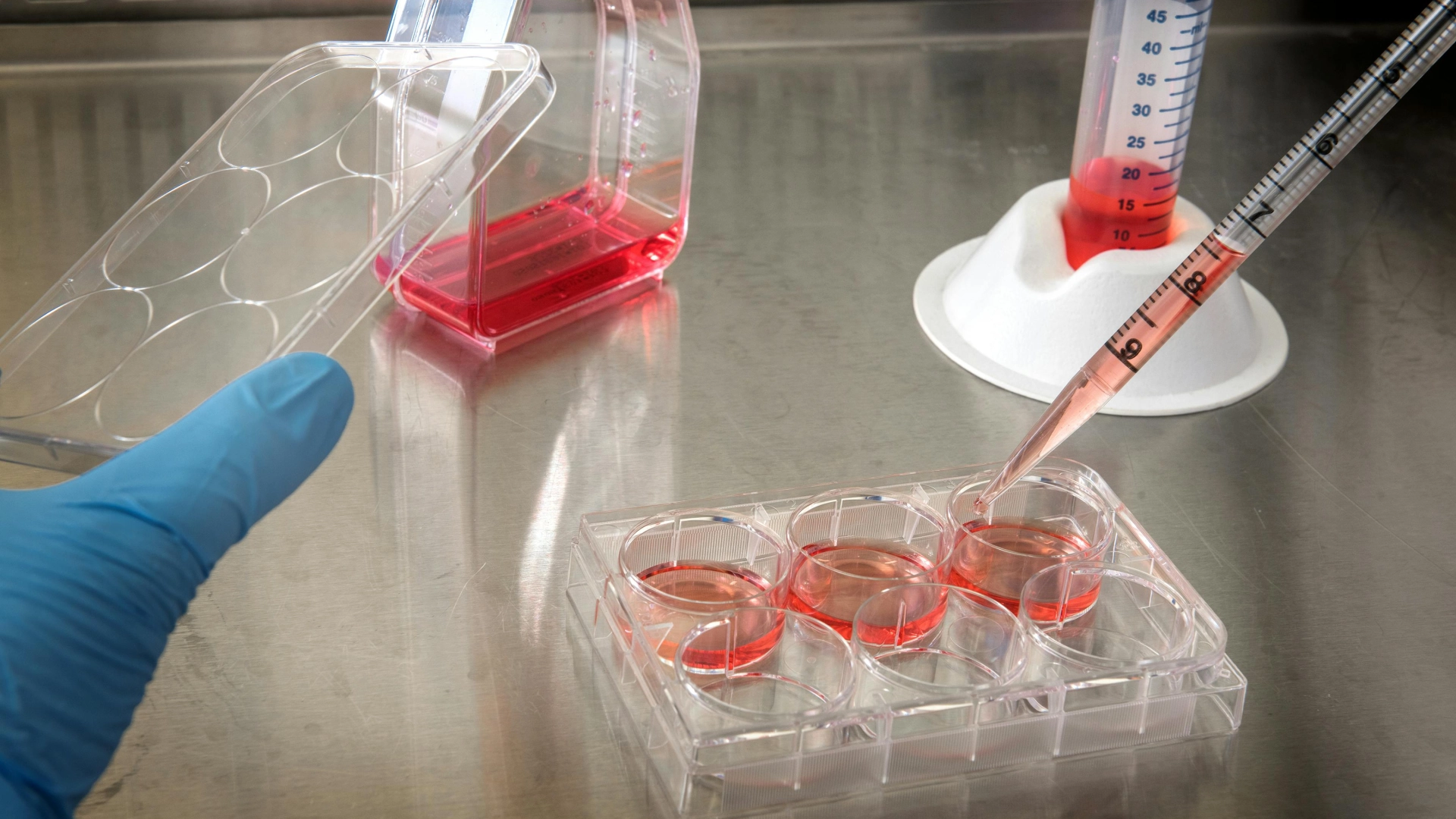
Human cancer cell lines are derived and isolated from real human tumors and are able to be grown and tested within the lab for a sufficient period of time. Scientists use them to study how cells behave and proliferate, how diseases develop, and how drugs work. These isolated human cancer cell lines are derived from various tumors, thus enabling scientists to study different types of cancer originating from different organs.
Cancer cells produce specific proteins that are crucial for their growth and proliferation. Computational (in silico) methods help predict how compounds interact with these proteins, but experimental validation is necessary. In vitro studies involve testing compounds on isolated proteins or cancer cells to observe their effects on growth, proliferation, and gene expression. In vivo studies use animal models to assess the overall biological impact.
Our research group investigates these compounds in human cancer cells with varying protein expression levels to uncover their mechanisms of action. One of our projects is dedicated to breast and lung cancer, utilizing in vitro studies with cancer cell lines to:
- verify computer-generated predictions by comparing them with real cell responses.
- test the effects of natural and novel compounds on cancer growth.
- study how mutations influence cancer progression.
- explore drug combinations and repurpose existing medications for better treatments.
By combining in silico, in vitro, and in vivo methods, we aim to identify promising cancer therapies.